
Reading time: 2 minutes
The public perception of the transparent building is marked by ambivalence. Can efficiency and security be reconciled with privacy, or do they inevitably entail monitoring? At a time when sensors, data platforms, and AI are increasingly embedded in the built environment, this development demands critical scrutiny.
What becomes visible? Who collects the data? What is the purpose of its analysis? Addressing the tension between transparency and surveillance requires differentiated, case-by-case assessments shaped by specific contexts. The decisive factors are how data is collected, processed, and communicated.
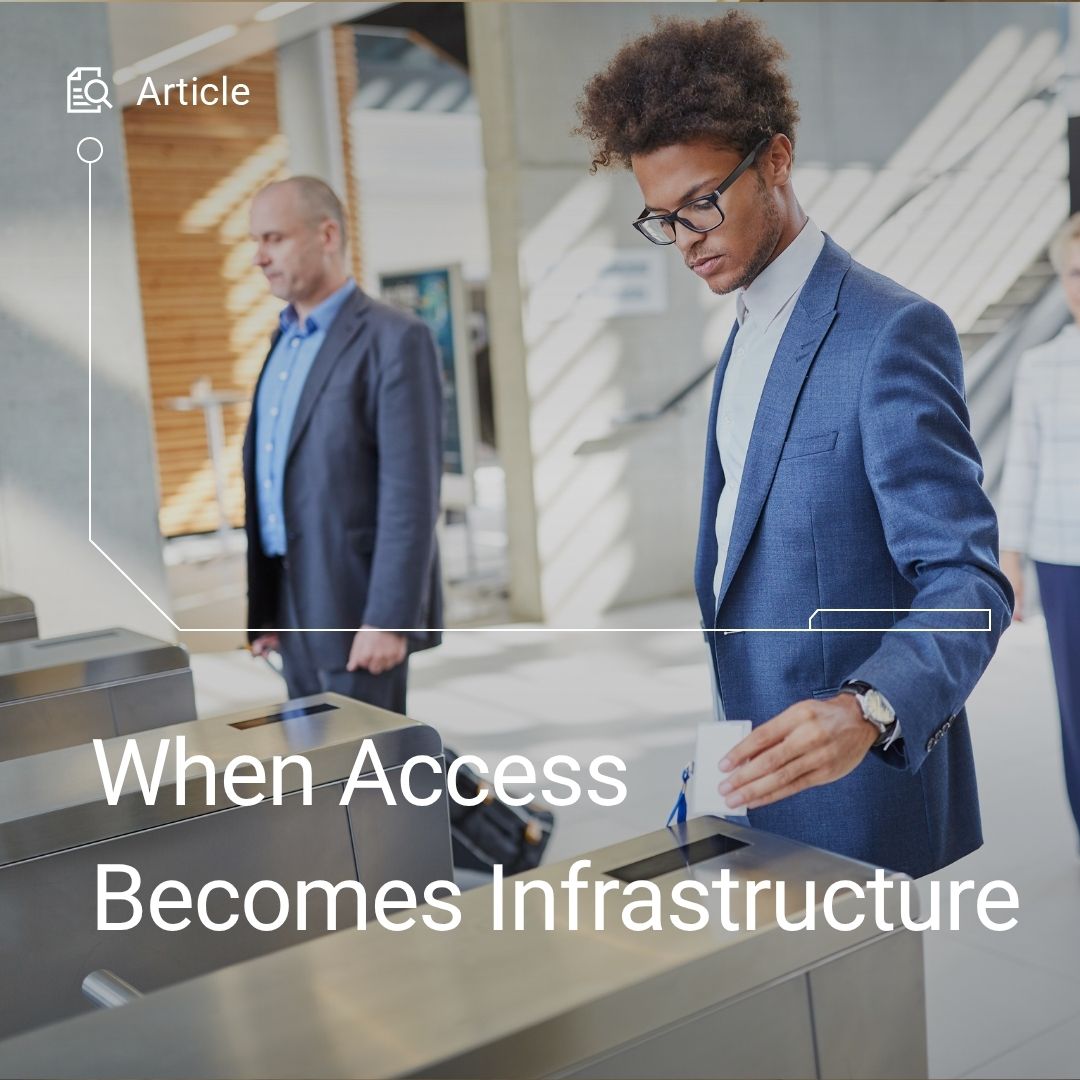
Transparency in the form of security management systems—such as video surveillance or physical access control—does not automatically constitute surveillance. Rather, such systems can render processes visible and significantly streamline daily operations.
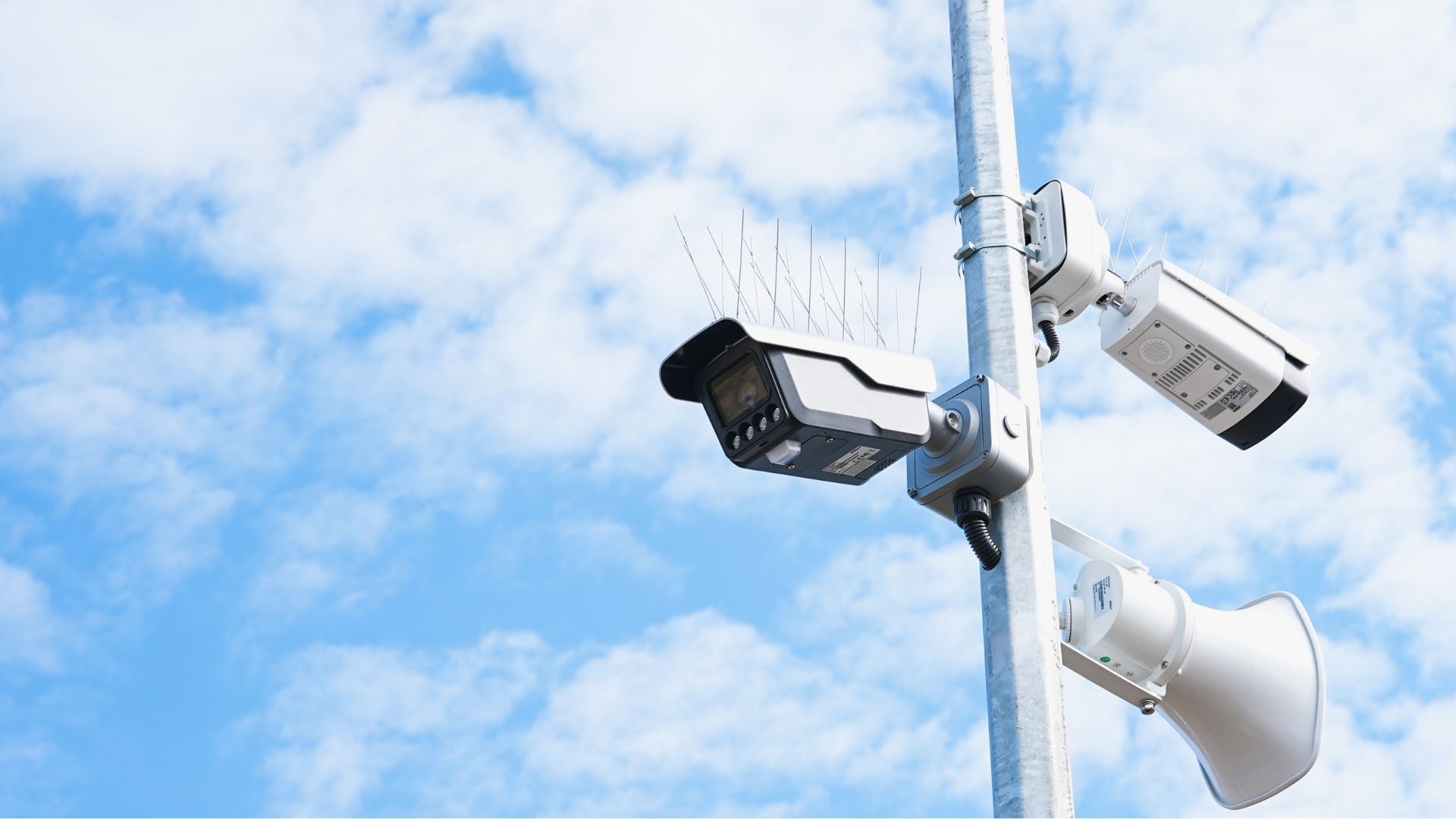
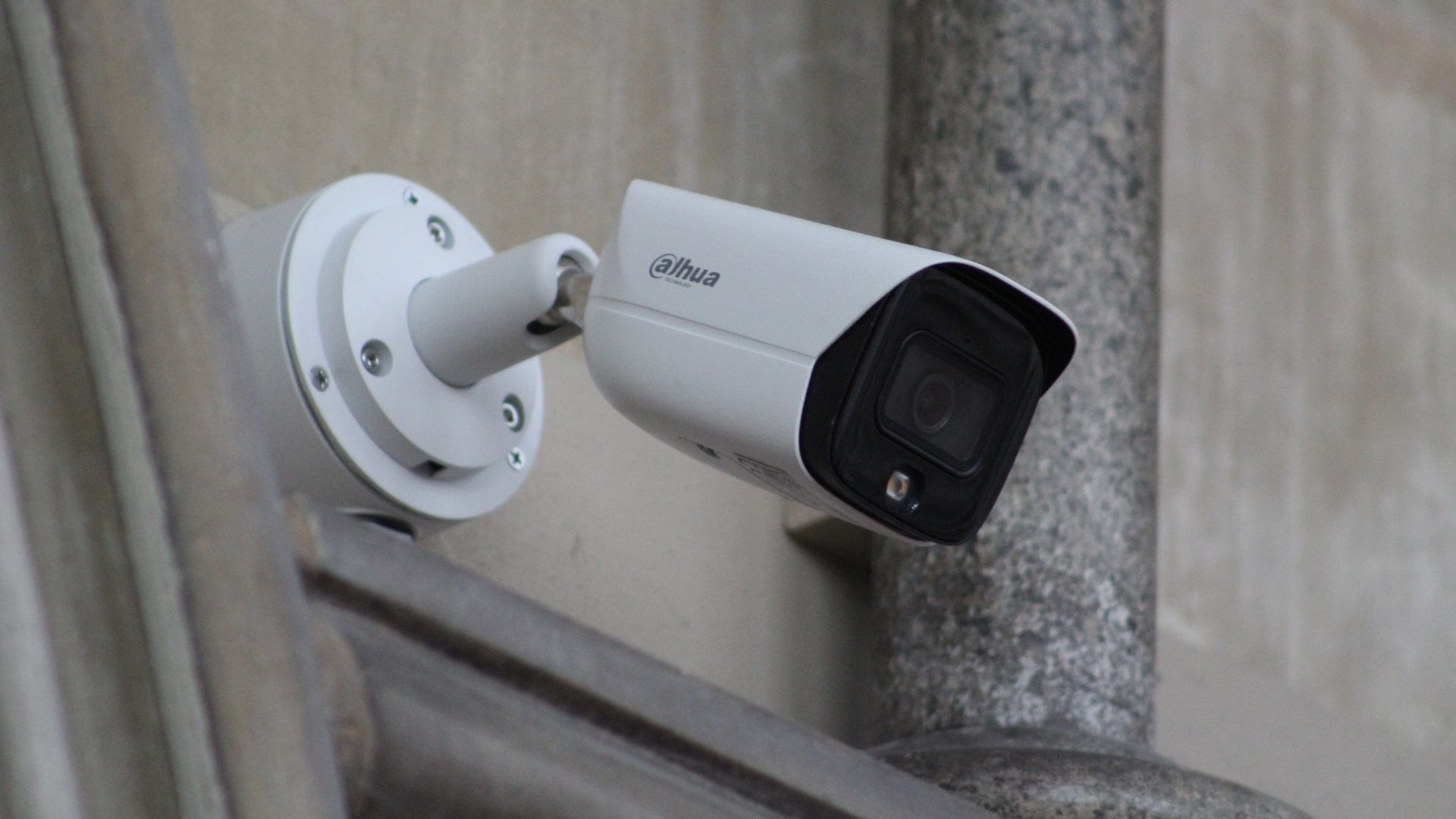
Video systems, for example, can enhance public safety by enabling early threat detection, securing evidence, and deterring crime. In Guadalajara, Mexico, the Hangzhou-based manufacturer Dahua Technology contributed to the protection of drivers and passengers by installing 1,250 security devices across 5,000 public buses, helping to prevent robberies.
Beyond this, such systems can protect individuals—public security personnel or political figures who face increasing threats—and provide support in medical emergencies.
Building security can likewise be strengthened through comprehensive oversight of access points and movement patterns. Security infrastructures can be integrated into other building systems, allowing for remote access and centralized management. Dahua Technology has implemented such solutions in numerous government buildings and financial institutions, including BMCI in Morocco.
At the same time, societal concerns are well-founded. Ethical issues arise when boundaries blur—when measures introduced for efficiency or safety evolve into performance profiling or behavioral control. Existing legal frameworks and data protection regulations play a central role in mediating these tensions, yet they often establish only minimum standards. The question remains: how can responsible governance be ensured?
Several approaches offer viable pathways forward. Data minimization and purpose limitation restrict data collection to what is strictly necessary for a defined objective. Where possible, anonymization techniques can be applied, depersonalizing data and enabling analysis at a group or building level. Decentralized data processing—without transferring or permanently storing information—can further reduce the risk of misuse.
Transparent communication about implemented measures also shapes public perception. This includes safeguarding user rights through clear opt-out mechanisms and meaningful choice.
With clearly defined rules, intelligent data governance, and candid communication, systems can be integrated that respect privacy while delivering operational value. The transparent city is therefore not a control room, but a space of negotiation—between efficiency, sustainability, security, and freedom.