
Reading time: 6 minutes
Key Learnings
- Reusing heat can cut the energy needed to warm buildings, especially when they are close to the data center.
- Saving electricity, saving water, and reusing heat are separate benefits. A good cooling system needs to balance all three.
- Moving servers onto water or into the sky does not automatically make them greener. Their power supply and day-to-day needs still matter.
Every Server Needs Cooling
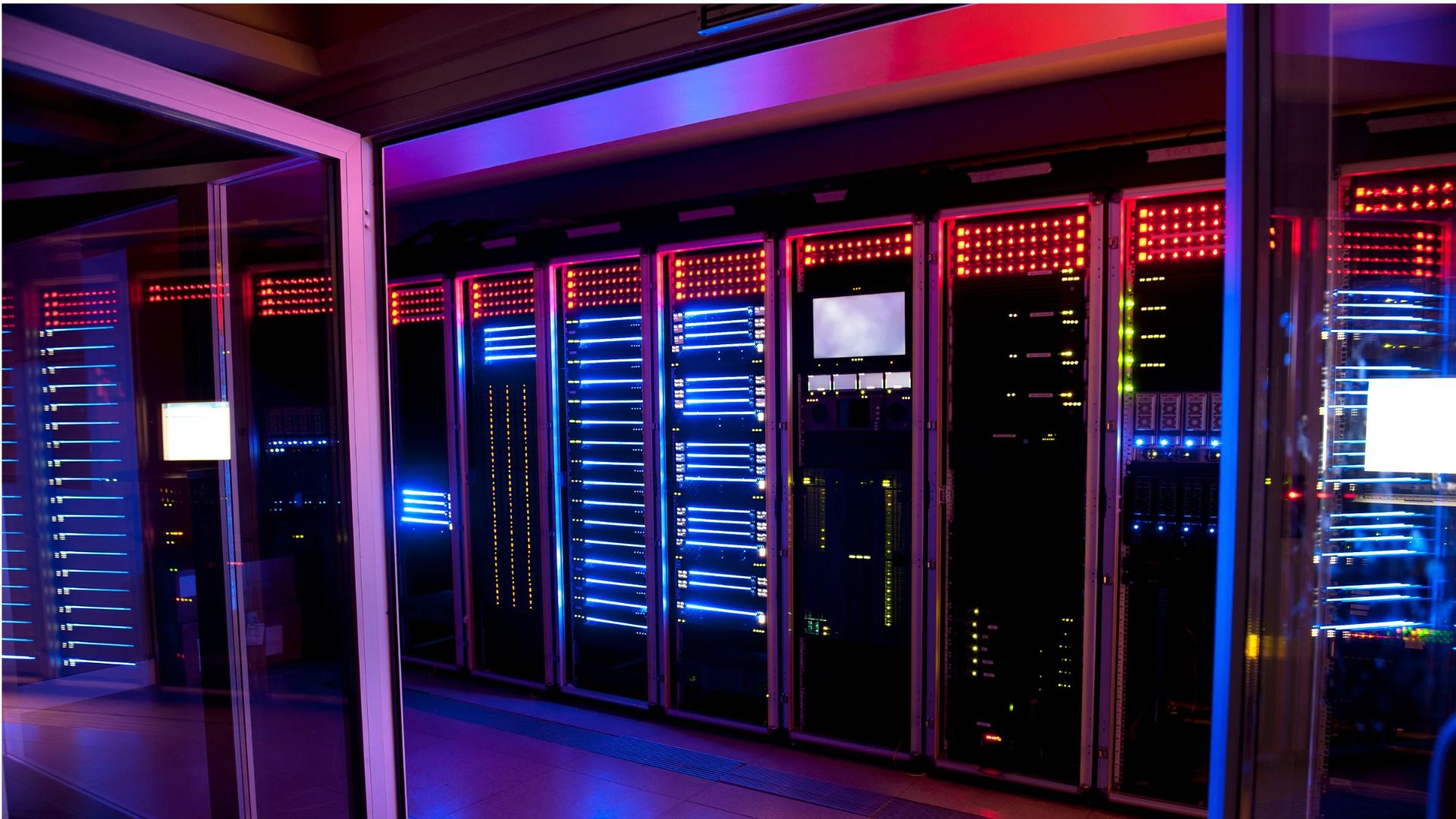
Servers get hot as they work. That heat must be removed to keep them running, whether it is used to warm buildings or released outside.
The IEA’s 2026 outlook puts global data center electricity use at 485 terawatt-hours in 2025 and projects 950 in 2030. That is nearly double in five years. Much of that energy ends up as heat, making cooling an increasingly important issue.
Reusing heat works best when nearby buildings need it regularly. If they are too far away, or need heating only occasionally, collecting and transporting the heat may offer little benefit.
When Using Heat Saves Resources
A city heating network can carry data center heat to homes and other buildings. A nearby research campus may also be able to use it. In both cases, distance and regular demand make a difference.
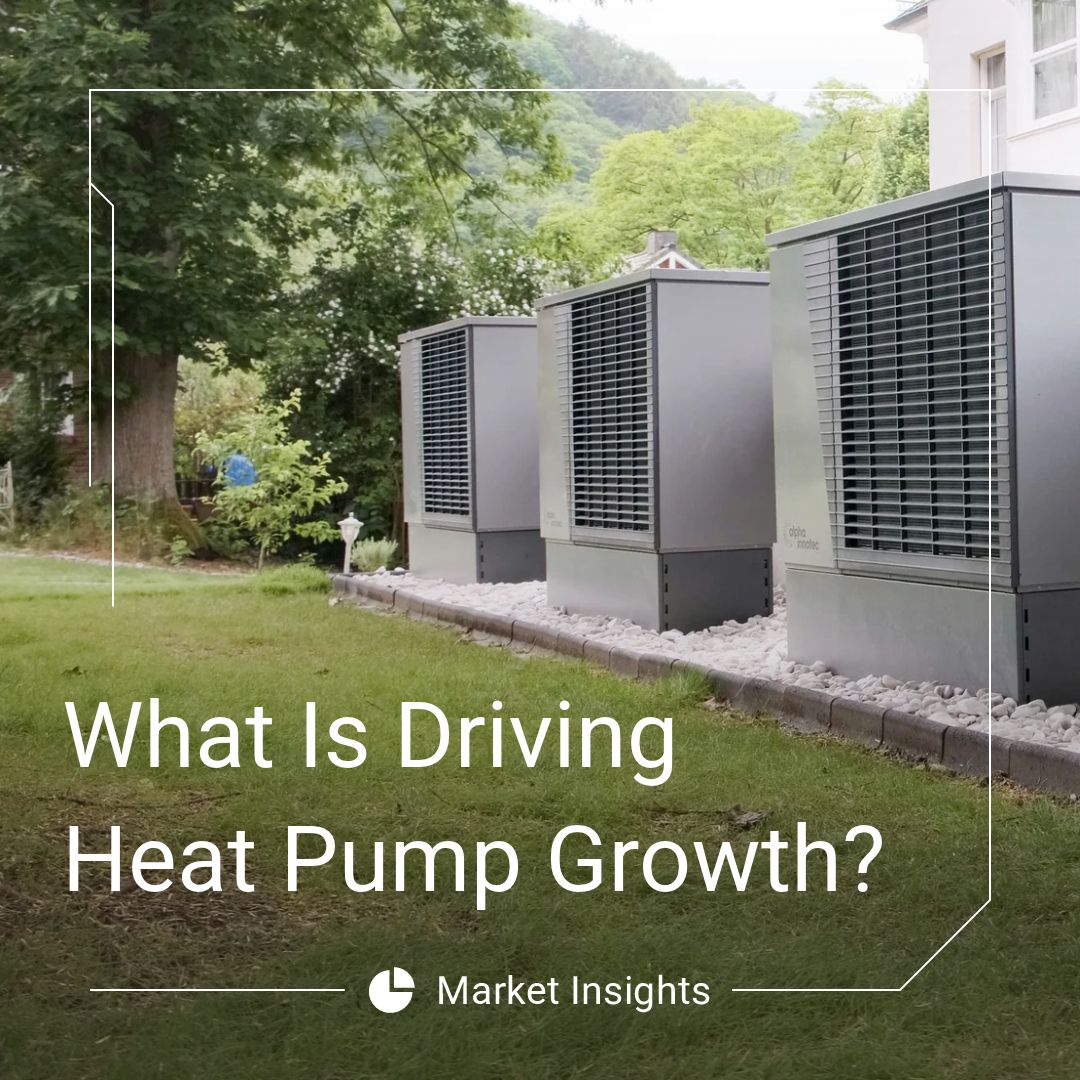
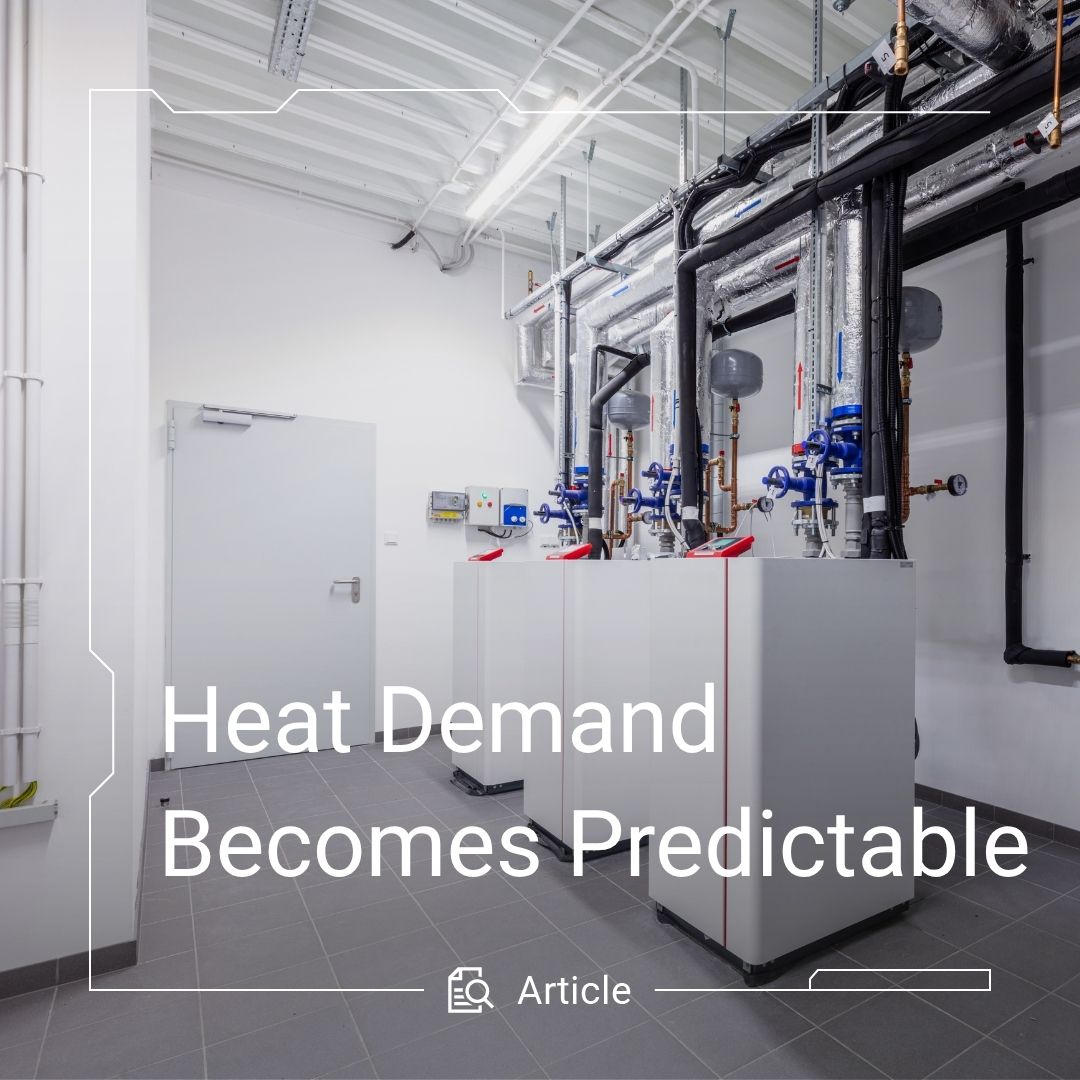
The heat may need to be made hotter before buildings can use it. A heat pump does this using electricity. The environmental benefit depends on how much electricity it needs and what other heating it replaces.
In Frankfurt, Mainova raises the temperature of heat recovered from Telehouse’s data center from about 35°C to 70°C so it can warm the franky neighbourhood. Telehouse’s September 2026 update says it meets around 60% of the neighbourhood’s heating demand, while using only about 2% of the data center campus’s available waste heat.
The example shows the difference in scale: one neighbourhood can get much of its heating from a data center while using only a small share of the heat available.
When Efficient Cooling Makes More Sense
Where few nearby buildings need heat, efficient cooling may be the better option. Long pipes take materials to build and energy to run, so the heat they deliver must justify that effort.
At Green Mountain’s Rennesøy facility in Norway, the servers sit on land and cold fjord water helps cool them. Green Mountain’s published efficiency figure implies that cooling and other supporting systems together use about 18% as much energy as the computing equipment itself. This indicates low energy use for running the facility, but says nothing about the effects of returning warmer water to the fjord.
Shanghai’s Lin-gang project places servers underwater offshore and supplies them with renewable electricity. An August 2026 city update says the first phase is operating. The published efficiency figure is a design target, rather than a measured annual result.
Microsoft’s next-generation design reuses cooling water instead of letting it evaporate. This saves water, but the company says it can require more electricity. That trade-off matters especially in dry areas.
Microsoft’s June 2026 update describes a wider shift towards cooling that uses less water. The system still needs water to fill it, and producing electricity and building the facility can also use water.
The practical question is how much energy, water, and material each option needs to do the same job. No single efficiency figure tells the whole story.
Can Waste Heat Be Converted into Electricity?
Data center heat can be used to generate electricity, but it is usually not hot enough to do this efficiently. Only a small share can be turned back into power.
A laboratory study converted roughly 2% to 5% of the heat it received into electricity, depending on the heat’s temperature. Equipment used in the process also needs power, leaving less electricity available for other uses.
Where nearby buildings need heating, using the heat directly may be more useful. Turning it back into electricity does not automatically make that electricity renewable.
A heat pump has another purpose: it uses electricity to make the recovered heat hot enough for heating buildings.
Can Heat Be Stored and Transported?
Insulated pipes can carry heat to another building. Shorter routes generally lose less heat and require less pumping, making nearby users especially valuable.
Heat can also be stored for later use, in water tanks or underground. The IEA District Heating and Cooling programme is studying ways to connect underground heat storage with heating networks.
Storage helps when heat is available before it is needed, but some heat is lost over time. Its value depends on whether enough can be saved for later use.
The buildings using the heat matter too. Homes that stay warm with cooler heating water need less extra energy to use data center heat.
What Floating Data Centers Change
Floating data centers can be built in shipyards and placed at waterfront sites. Like facilities on land, they need reliable electricity, internet connections and cooling.
Samsung Heavy Industries is developing a floating data center design. A June development agreement covers work on seawater cooling and onboard power. The project is still in development, so it has yet to demonstrate its environmental savings.
Seawater cooling alone does not make a floating data center clean. Its electricity source, maintenance and repair needs also affect its environmental impact.
Flying and Orbiting Remain Different Experiments
KAUST researchers have studied the idea of carrying solar-powered servers high in the atmosphere, where the air is cold. It remains a research proposal, with flight and communication challenges still to solve.
Google announced in October 2026 that a prototype satellite built with Planet had reached orbit to test computing hardware in space. It is an experiment, rather than a replacement for a data center on Earth.
Space brings cooling challenges of its own. The US Government Accountability Office explains that, without surrounding air, equipment must release heat by radiation. Launches, repairs and space debris also affect the environmental case.
Start with the Computing We Need
Using existing servers better and adding equipment only when needed can reduce energy use and heat from the start. The US Department of Energy design guide treats computing and cooling as parts of the same problem.
New data centers should be placed where they can meet demand with the lowest overall use of energy, water and materials. In some places, sharing heat with nearby buildings will help. Elsewhere, efficient cooling may offer more benefit.
A heat-sharing system needs to work for both sides. Servers still need cooling when homes do not need heat, and homes need another heat source when the data center cannot supply enough.