
Reading time: 9 minutes
Key Learnings
- LUMI supplies around 10% of the energy used by Kajaani’s heating network, according to its operator.
- ESIF combines heat reuse with a cooling upgrade that saved nearly 8 million litres of water over two years.
- Frankfurt shows why nearby customers and a utility responsible for delivery matter as much as the heat source.
- Rennesøy keeps servers on land while using cold fjord water; Lin-gang places computing equipment underwater.
- Each connection needs a plan for changing demand, maintenance and continued service.
The Connection Beyond the Server
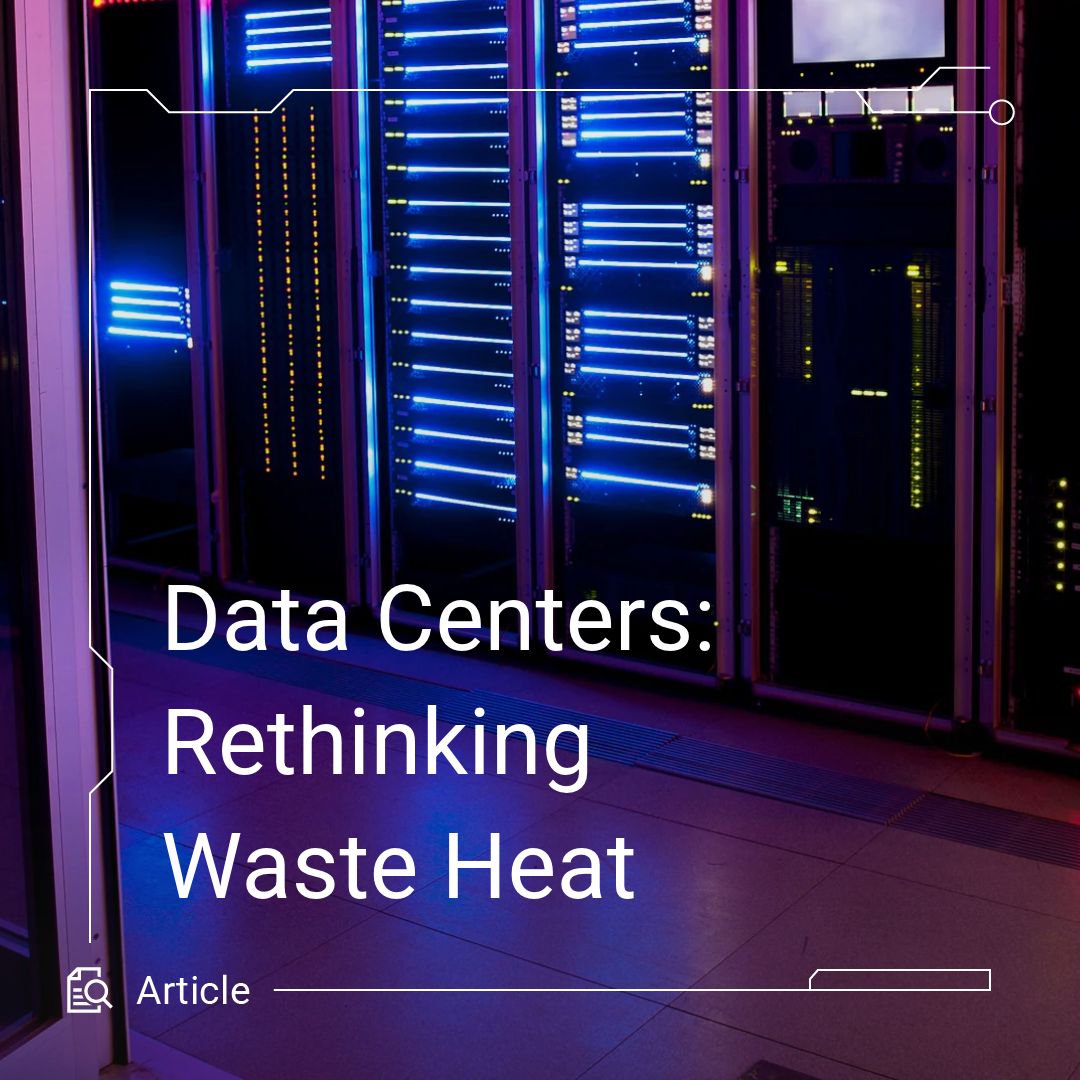
Servers produce heat whenever they run. Removing it keeps computing reliable; finding another use for it can reduce demand for heating elsewhere. The opportunity depends on what is nearby and who can keep the connection working.
This column tests a practical proposition: the value of data center cooling and heat reuse depends on the connection between equipment, local resources and the people responsible for operating them. A pipe or a cold water source is only part of that relationship.
The five cases examine city heating, campus services, residential supply and marine cooling. Their figures cover different periods and outcomes. They explain what each arrangement delivers, rather than establish a ranking.
More on Data Center Waste Heat ReuseA City Network Receives the Heat: LUMI, Kajaani, Finland
LUMI occupies a former paper mill hall at Renforsin Ranta business park. Its recovered heat enters Kajaani’s heating network, connecting computing with buildings across the city.
Typology
An industrial building converted for a supercomputer, with cooling and heat recovery equipment beneath the computing space. A 2021 account of its conversion describes how these services fit into the existing hall.
Risk Context
Computing produces heat throughout the year, while buildings need different amounts as the seasons change. Available heat and useful heating demand do not always match.
Operational Trigger
Servers release heat as they work. Demand from the city network determines when that heat can contribute to building heating.
System Response
The recovery system transfers heat into the city’s heating supply, giving the data center a destination beyond its own walls.
Facility Management Decision
The project combines an existing building with access to a heating network. For another site, space for equipment and a nearby customer both belong in the initial brief.
Human Override Point
The published accounts describe the installation and annual output, rather than a specific manual intervention. Operators still need to manage cooling when the network cannot accept all the heat.
User Impact
Buildings connected to the network receive part of their heating from computing. The service reaches users without requiring a separate data center connection for every building.
What Worked
CSC’s Sustainability Report 2025 records about 34.1 gigawatt-hours produced for heating and says LUMI’s recovered heat provides around 10% of the network’s total energy.
Limits and Transferability
That contribution does not by itself establish carbon savings, which depend on the heating replaced and energy used for recovery. A separate LUMI AI Factory connection, announced by CSC and Loiste in April 2026, is planned to begin operating in the second half of 2027.
Connectivity Layer
Servers → Heat recovery → City heating network → Buildings
The transferable relationship is a dependable heat source connected to an established distribution service.
Heat Reuse with Water-Saving Cooling: ESIF, Golden, United States
At the Energy Systems Integration Facility in Colorado, heat reuse and cooling work together. An upgrade cut onsite cooling water use by about half over its first two years.
Typology
A research facility where water collects heat from computing equipment and transfers it into a separate heating system.
Risk Context
The building cannot use all the computing heat all the time. Cooling must continue even when heating demand falls.
Operational Trigger
Changing weather and heating demand alter how much heat can be reused and how much must be released outside.
System Response
The laboratory’s account describes heat used within ESIF and exchanged with the campus. An air cooler added in August 2016 reduces reliance on cooling towers that evaporate water.
Facility Management Decision
The cooler used a rooftop platform reserved for future cooling towers. Leaving that space available enabled an improvement after the building opened.
Human Override Point
Installation required one day of computing downtime. During a later cooling tower repair, heat reuse and the added cooler handled the load without interrupting computing.
User Impact
The extra cooling route supported continued computing during maintenance and reduced the facility’s demand for water.
What Worked
A 2018 technical report estimates water savings of 7.95 million litres over 2016 to 2018. This is a two-year result, not an annual saving.
Limits and Transferability
The same saving cannot be assumed elsewhere. Outdoor temperatures and the amount of heat that nearby buildings can use affect how often the air cooler helps.
Connectivity Layer
Computing heat ↔ Campus heating; surplus heat → Air cooling
The connection works because useful heat delivery has another cooling route alongside it.
A Utility Connects Servers to Homes: franky, Frankfurt, Germany
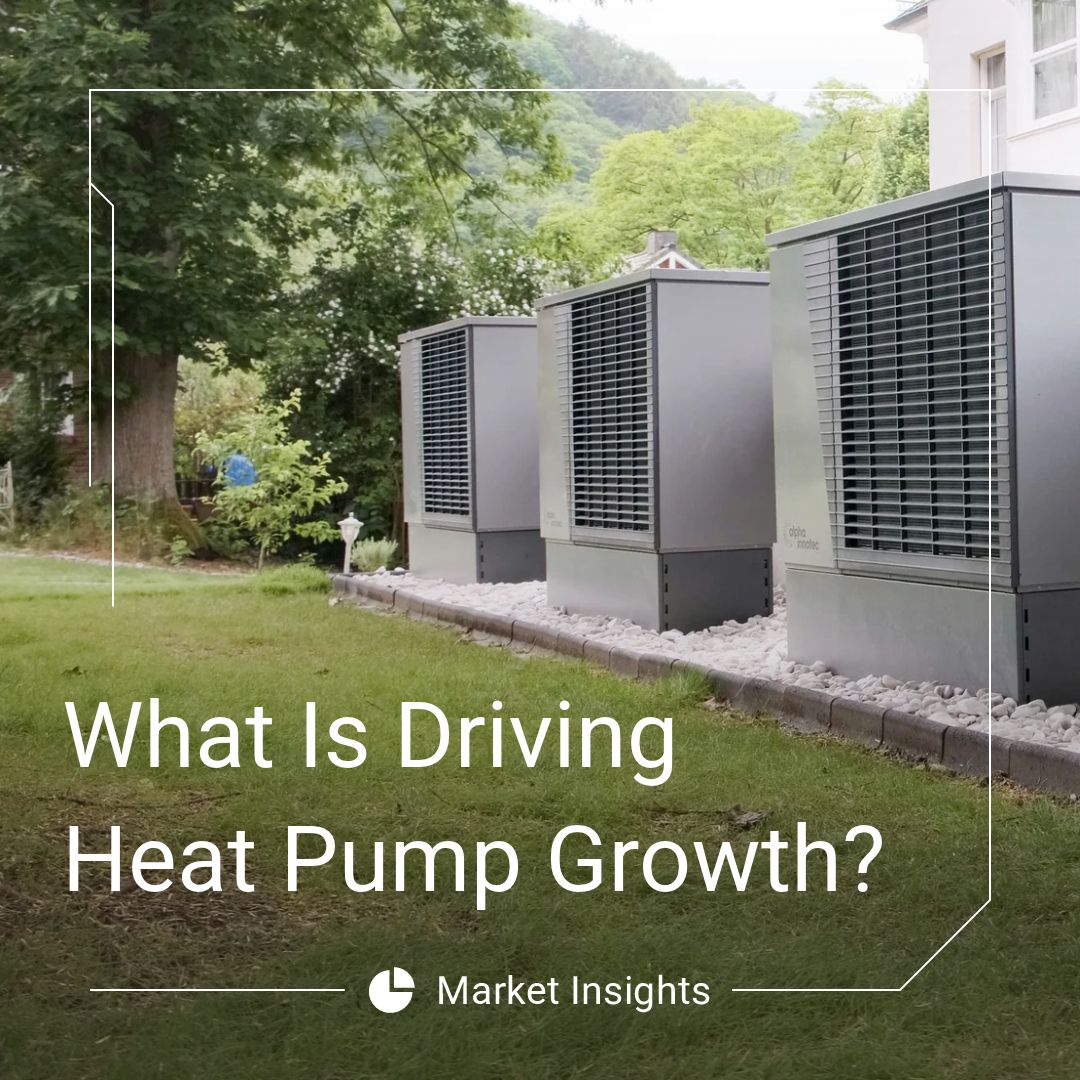
Recovered heat from Telehouse’s campus meets around 60% of heating demand in the franky neighbourhood, a development of about 1,300 homes.
Typology
A commercial data center connected to a residential neighbourhood about 500 metres away.
Risk Context
Residents need dependable heating, including when recovered heat is insufficient or equipment needs attention.
Operational Trigger
Computing provides the heat source; the neighbourhood’s heating demand determines how much is needed.
System Response
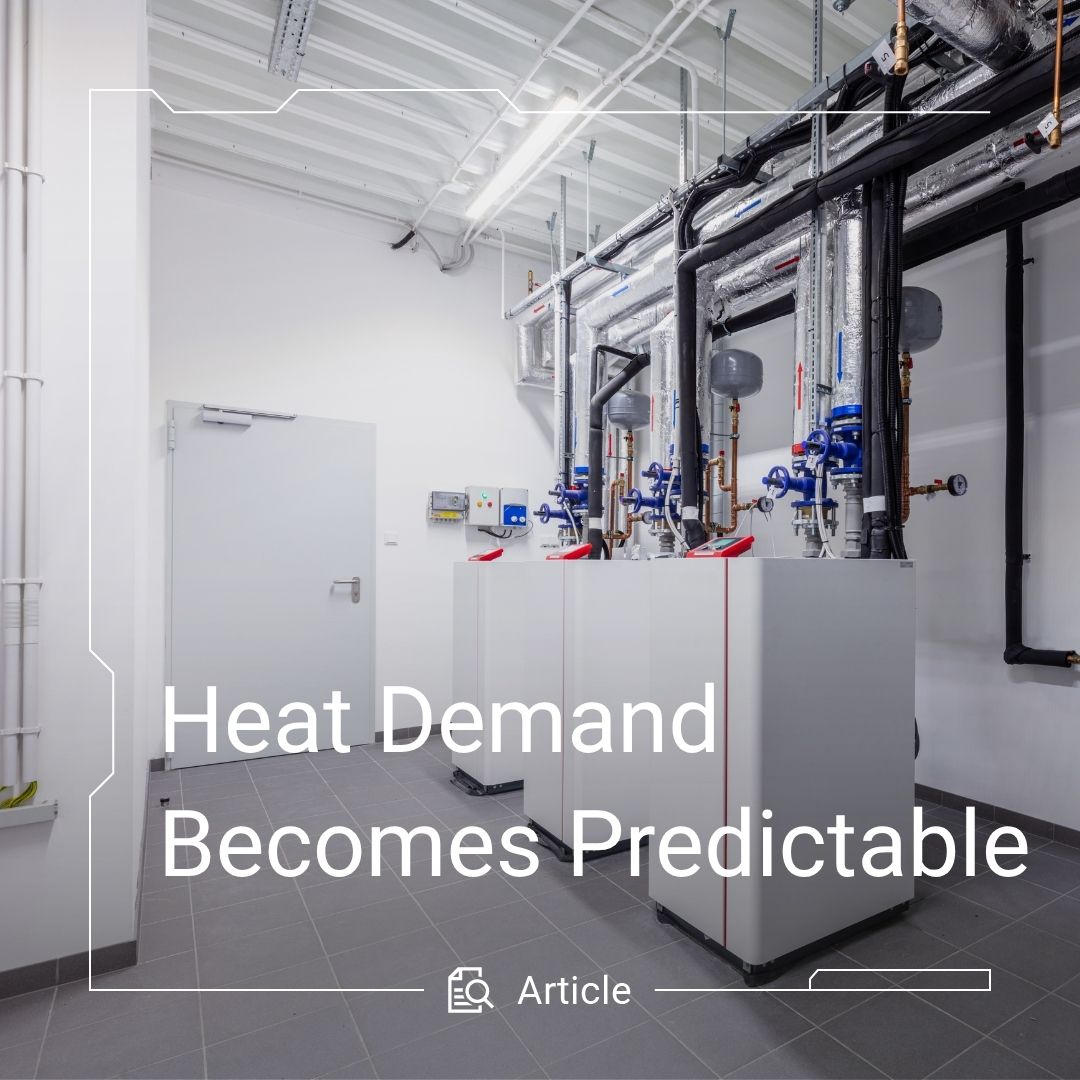
Two large heat pumps raise the available heat from about 35°C to 70°C. Mainova’s district heating supplies the remaining demand.
Facility Management Decision
Mainova’s project account describes a 15-year agreement involving Telehouse, Mainova and developer Instone Real Estate. Mainova plans, builds and operates the heating equipment.
Human Override Point
Responsibility rests with an identified utility rather than residents. The accounts describe the supply arrangement, without detailing a particular manual response to an outage.
User Impact
Residents buy a heating service backed by another supply. Telehouse’s September 2026 update says the system has served the neighbourhood since 2023.
What Worked
Meeting around 60% of the neighbourhood’s demand uses only about 2% of the campus’s available waste heat. The contrast shows how much larger the source can be than its first customer.
Limits and Transferability
More recovery needs more suitable customers and connections. The heating contribution is not an equivalent emissions reduction: heat pump electricity and the heating displaced still matter.
Connectivity Layer
Data center → Mainova’s heat pumps and pipes → Homes
The essential connection is contractual as well as physical: someone takes responsibility for delivering the service.
Fjord Cooling with Servers on Land: Rennesøy, Norway

Green Mountain’s SVG-Rennesøy facility uses cold fjord water to cool servers housed inside a mountain. Its operating history also shows why access and maintenance remain important.
Typology
A former NATO ammunition storage facility converted into a data center on land. The operator reports an electricity supply based entirely on renewable hydropower.
Risk Context
The water intake needs inspection and cleaning while computing continues. A natural cooling source still depends on maintained equipment.
Operational Trigger
Computing creates a continuous cooling load. Planned cleaning temporarily removes part of the cooling system from service.
System Response
The cooling system draws fjord water at about 8°C from a depth of 100 metres. Heat exchangers keep seawater separate from the freshwater circuit serving the facility.
Facility Management Decision
Duplicated cooling systems allow one part to operate while another is serviced. Servers remain accessible in a building on land.
Human Override Point
Green Mountain’s maintenance account describes a week of work involving divers, a vacuum truck and a support team. Operators kept cooling available while part of the system was cleaned.
User Impact
The operator reports no computing downtime during that maintenance work.
What Worked
The documented maintenance shows how the cold water connection can remain in service during repairs and cleaning, rather than depending on uninterrupted access to every component.
Limits and Transferability
Marine effects still require local monitoring. Heat reuse also needs a lasting customer: Greenpool reports that the Norwegian Lobster Farm collaboration at Rennesøy had ended by August 2026. The current heat reuse page describes Hima Seafood at the separate Rjukan site.
Connectivity Layer
Fjord water ↔ Heat exchangers ↔ Cooling circuit ↔ Operators
The cooling resource becomes reliable through equipment separation, backup capacity and people able to maintain it.
Reading Across the Five Cases
LUMI connects one heat source to an existing city network. Frankfurt adds a utility responsible for converting and delivering heat to homes. ESIF combines useful heat delivery with another route for cooling when that heat is unwanted.
Rennesøy and Lin-gang connect computing with seawater in different ways. At Rennesøy, maintenance is documented while servers remain on land. At Lin-gang, offshore access and annual performance need further operating evidence.
Across the five cases, the useful question is what the connection allows people to do: heat buildings, save water, maintain equipment or continue computing through a repair. Those services give technology its practical value.
A successful project therefore needs more than heat or cold water. It needs suitable demand, clear responsibility and a way to keep working when conditions change.