
Reading time: 4 minutes
There is little value in romanticizing the past—especially in a sector undergoing profound transformation. Some may argue that buildings constructed decades ago performed adequately. That view is overly simplistic. The framework conditions have changed, and with them the standards that define meaningful building technology interventions.
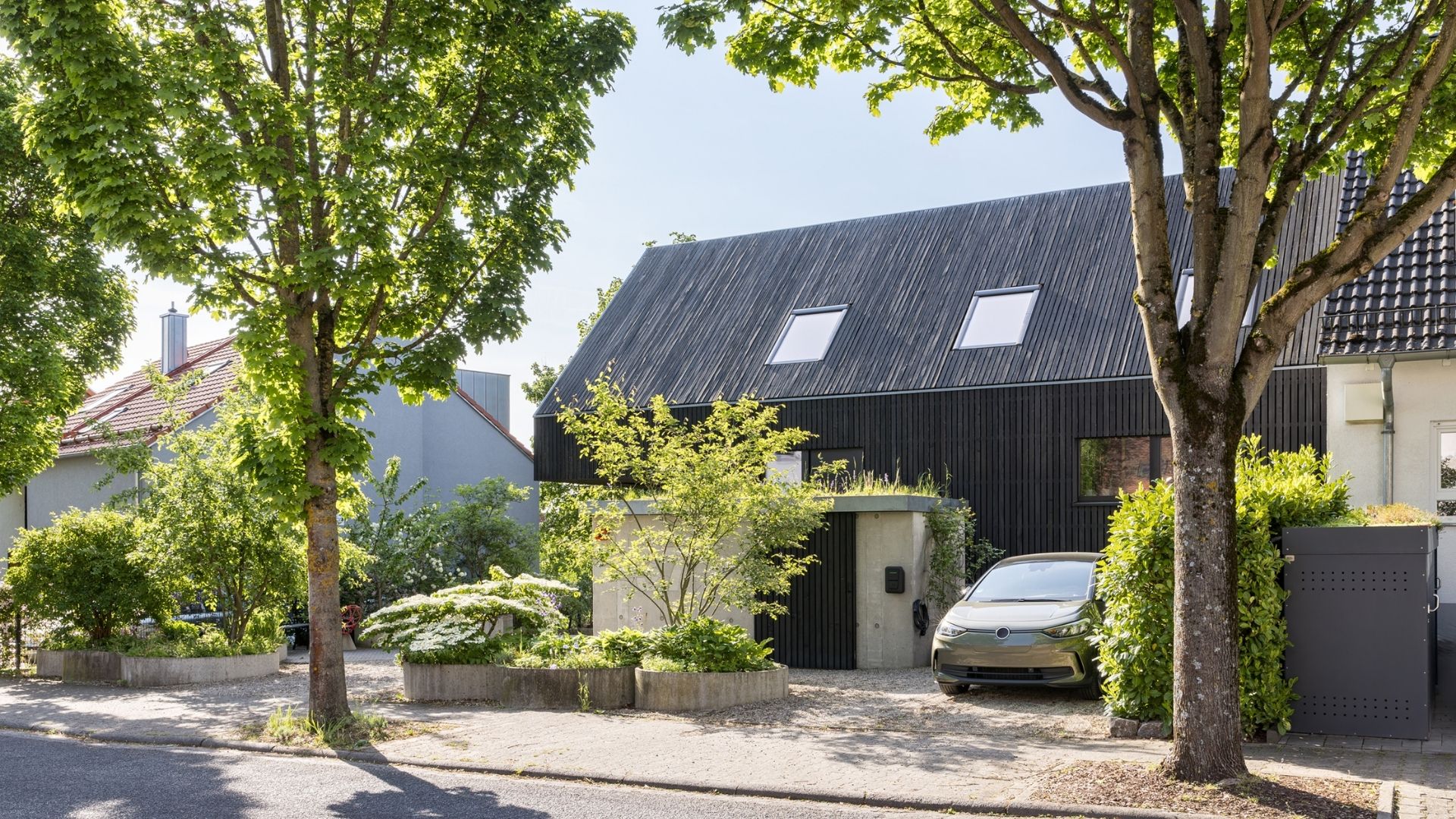
Energy management is a case in point. Energy has become both a scarce and costly resource, making efficiency a strategic necessity. The positive news is that the building sector offers multiple leverage points. Even fundamental design decisions can significantly reduce energy demand: building geometry, window size and orientation, façade airtightness, and envelope performance. These are core architectural responsibilities. Through rigorous design and high-quality planning, architects can create buildings that establish strong energy performance from the outset.
Energy-Efficient Equipment
Yet the potential extends far beyond architectural fundamentals. Building technologies are becoming increasingly efficient, intelligent, and data-driven. This development began modestly during the environmental movements of the 1980s, when manufacturers first sought to reduce energy input while maintaining performance output. Since then, numerous innovations have reached market maturity.
For a long time, however, these advances remained device-centric or, at best, system-specific. Innovations were often implemented as isolated solutions. Some systems introduced limited responsiveness—for example, heating and ventilation units using room sensors to monitor air quality and adjust operation accordingly. Under the given conditions, this approach was effective and even enabled the realization of passive house standards.
Nevertheless, purely reactive control strategies have inherent limitations—particularly when user behavior overrides system logic.
Smart Communication
Within traditional paradigms, sustainability in buildings has largely been equated with incremental upgrades: more efficient luminaires, modern HVAC systems, or advanced security solutions. Yet buildings are complex, dynamic ecosystems. Energy consumption, user behavior, and technical infrastructure interact continuously.
Consider a lighting system designed exclusively for energy efficiency. If it fails to incorporate presence data, daylight availability, weather conditions, or usage scenarios, its potential remains underutilized.
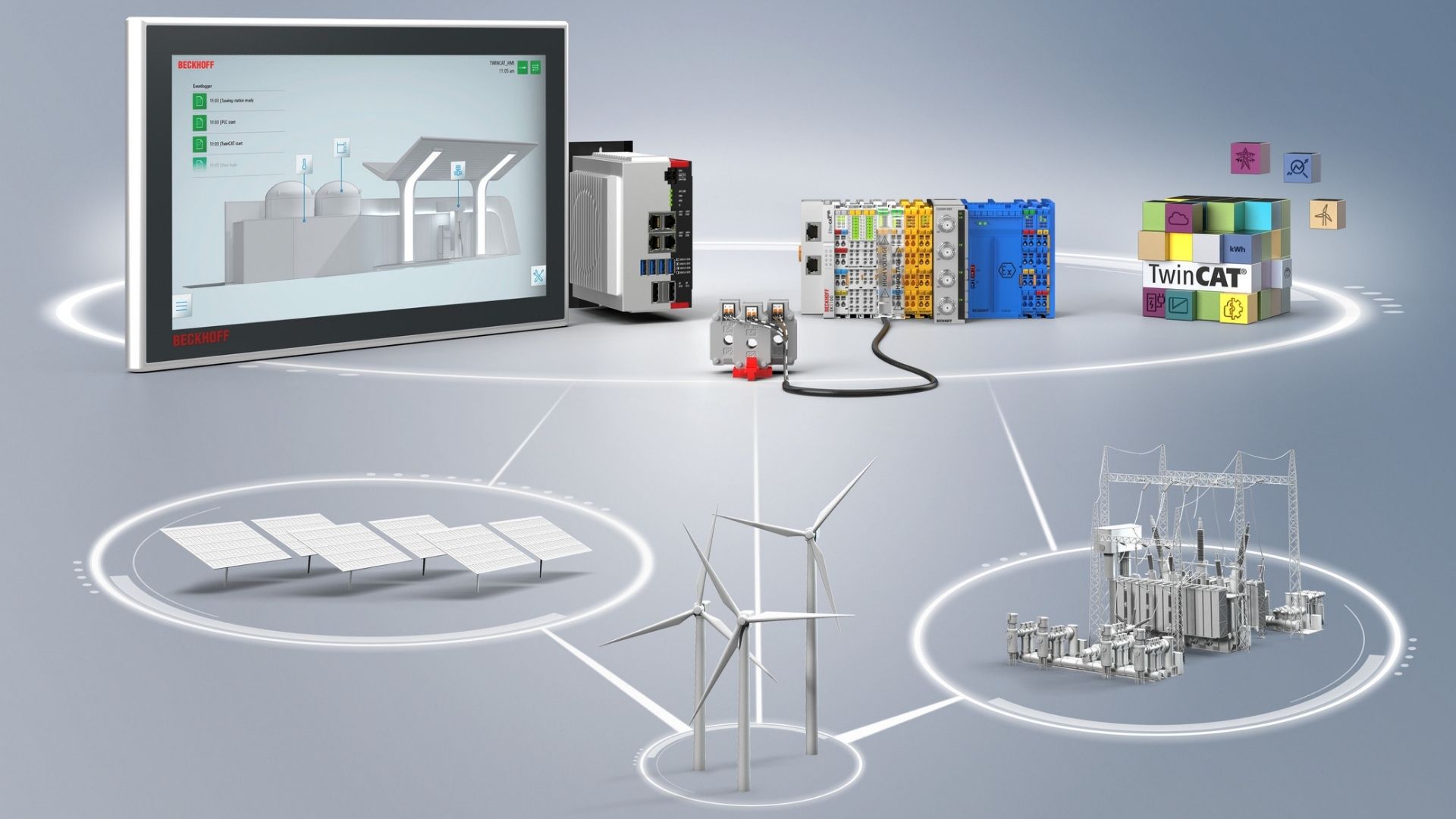
True sustainability today is driven by system intelligence. Sensors capture occupancy, luminance, temperature, and indoor air quality. Energy management systems analyze load profiles. Security systems detect and interpret usage patterns. In many cases, this data already exists—it simply needs to be integrated coherently.
The paradigm shift is clear: away from isolated performance metrics and toward networked building intelligence. The sustainability of a building is determined less by the efficiency of individual components and more by the quality of their interaction.
A critical question therefore arises: Can technical systems communicate and operate together effectively? Standards such as KNX, BACnet, and Bluetooth Mesh provide the foundation for integrated energy management architectures. The decisive factor is interoperability—cross-manufacturer compatibility within open system frameworks.
Historically, this has posed challenges for the industry. However, there is growing recognition that collaboration—even among competitors—is essential. Sustainability, ultimately, is a team sport.
System-Based Sustainability
The objective is to develop buildings that generate sustainability intelligently and seamlessly. Connectivity must not be treated as an optional add-on, but as core infrastructure. This includes user behavior, which may be unpredictable but can be managed through adaptive, learning-based systems.
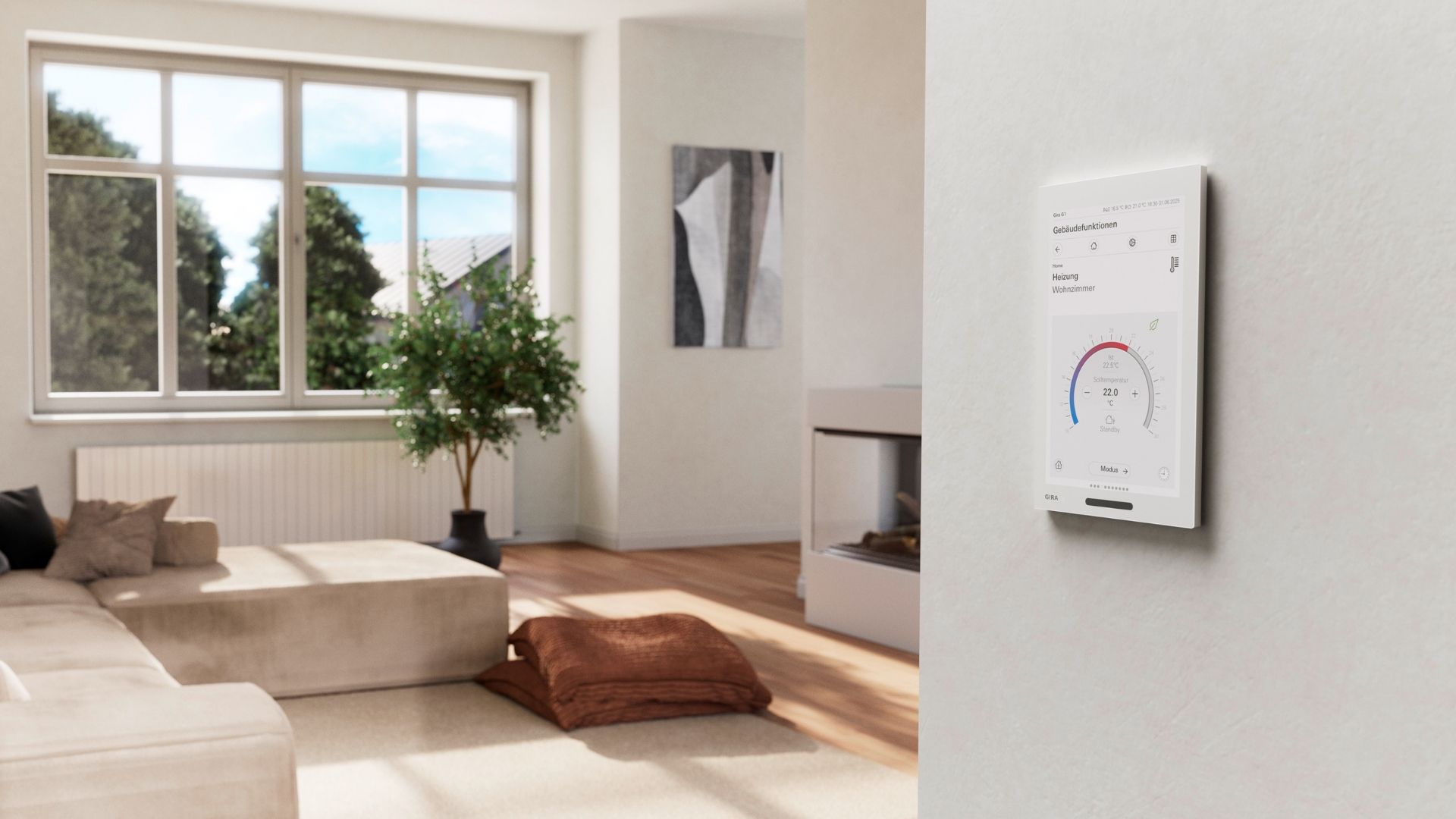
Spaces should adapt to occupants—not the other way around. Intelligent systems optimize performance proactively, before manual intervention becomes necessary. Genuine sustainability is intuitive and does not require specialized IT expertise. It is a dynamic process embedded in daily operations.
Investing in networked building management systems today is therefore not only a responsible decision but a strategic one. It secures a competitive position in an increasingly smart real estate market—where sustainability is no coincidence, but the deliberate outcome of system architecture and intelligent integration.