
Reading time: 3 minutes
Key Learnings
- Educational institutions are becoming complex campus ecosystems where building technology, digital infrastructure, and learning environments are increasingly connected.
- Smart building technologies help schools, universities, and other institutions manage operating costs, space utilization, safety, and sustainability more effectively.
- IoT, cloud platforms, cybersecurity, AI, analytics, digital twins, and private 5G networks are becoming core elements of smart campus strategies.
- Growth is driven by digital transformation, resilient campus operations, personalized learning experiences, green campus initiatives, and infrastructure modernization.
- Providers need to move beyond product delivery and become strategic transformation partners spanning advisory, implementation, and lifecycle management.
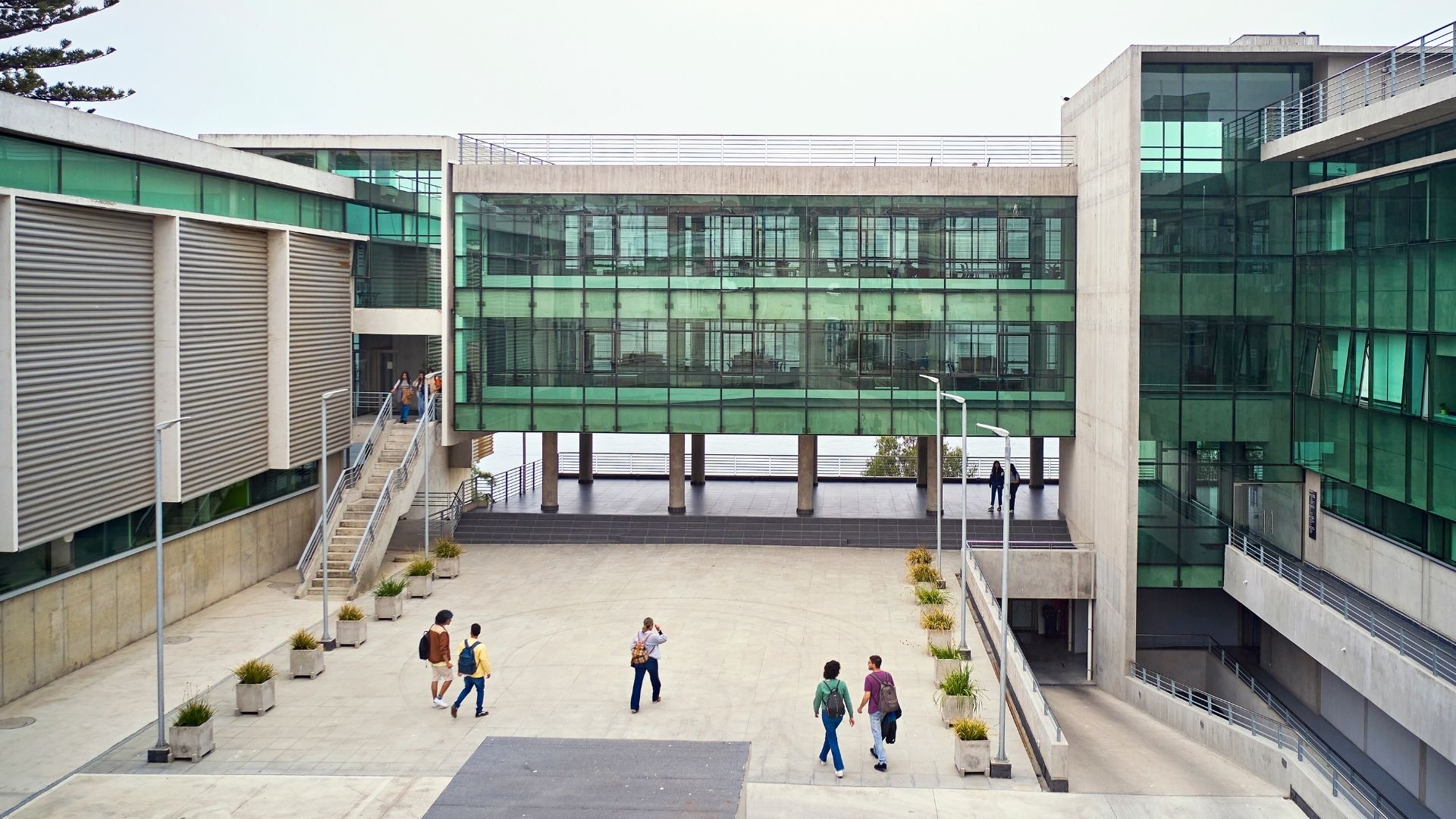
Educational institutions are evolving into hubs of research, innovation, and community engagement, increasing the need for intelligent, efficient, and resilient campus infrastructure. Building technologies and services are becoming critical enablers, helping institutions address both operational and facilities-related challenges. These include teacher shortages, digital transformation gaps, cybersecurity risks, aging assets, inefficient space use, and rising sustainability demands. Together, these pressures are encouraging a more holistic approach to campus development, one that combines digitalization with infrastructure modernization to support stronger performance, better resource use, and more adaptable learning environments.
The Rise of Smart Campus Ecosystems
The transition toward smart campuses is accelerating as educational institutions adopt cloud platforms, IoT-enabled systems, and advanced cybersecurity solutions. In the near term, these technologies support hybrid learning, improve operational efficiency, and strengthen campus safety.
Over time, AI, analytics, robotics, AR/VR, digital twins, private 5G, and blockchain-based credentialing are expected to play a growing role in both teaching and campus operations. Their full value, however, lies in integration, linking building systems such as HVAC, lighting, and energy management with digital learning platforms to create more connected, responsive, and data-driven campus ecosystems.
Growth Opportunities in the Education Vertical
Five key growth opportunities are shaping the future of building technologies in education. These include:
- Campus digital transformation strategies that align infrastructure with academic and operational goals
- Resilient campus operations to mitigate disruptions from cyber threats and external shocks
- Learning experience personalization through data-driven insights and adaptive environments
- Sustainability and green campus initiatives driven by regulatory and stakeholder pressure
- Integrated infrastructure modernization to replace legacy systems with interoperable platforms
Market Momentum and Industry Dynamics
The global building technologies and services market reflects strong growth momentum, supported by rising demand for smart infrastructure and sustainability solutions. With revenues exceeding $1.7 trillion in 2025 for all building types and continued expansion expected, the sector offers significant opportunities for solution providers to engage with the education vertical.
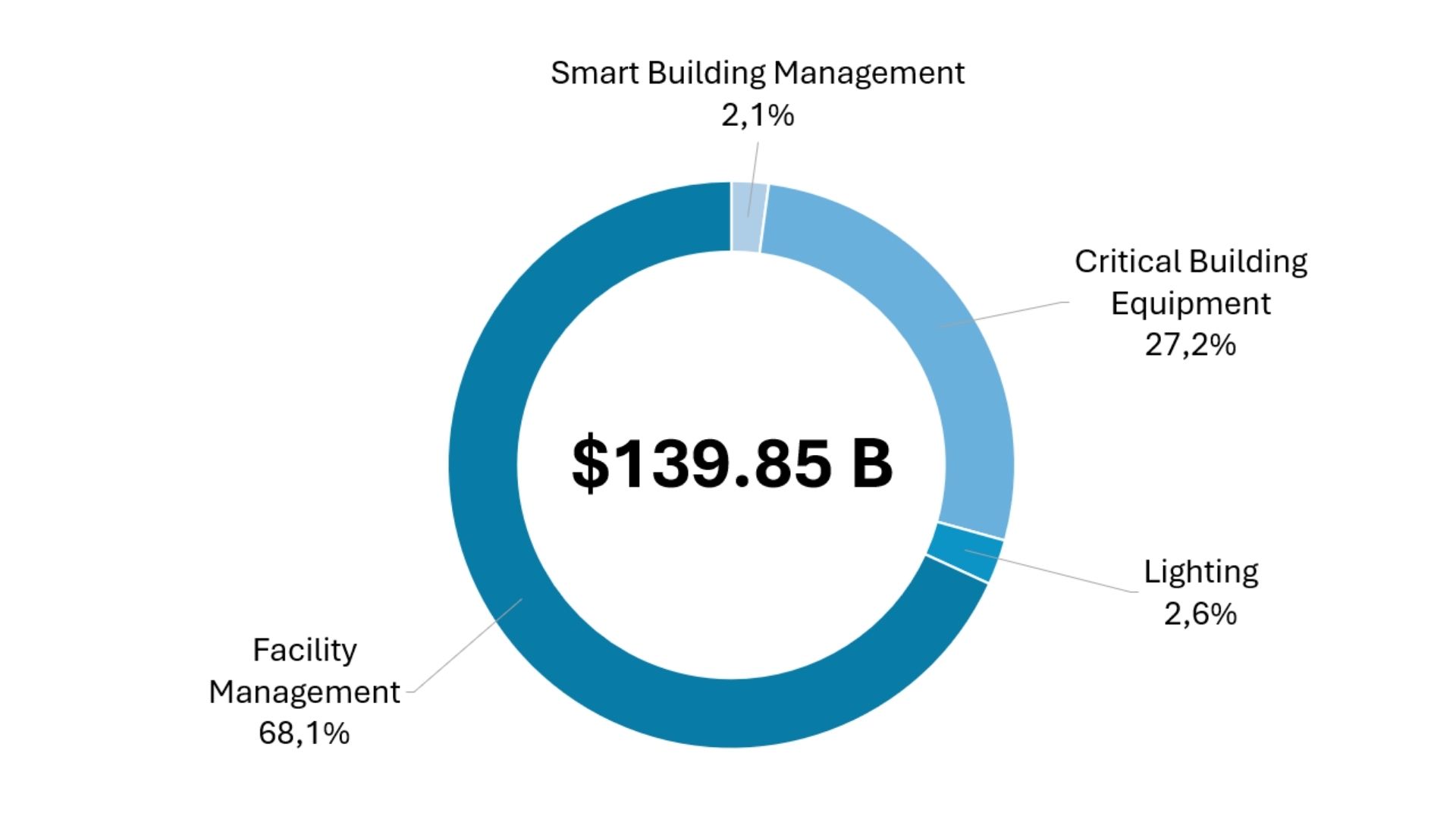
The education vertical’s building technologies market remains predominantly service-led. Facility management continues to account for the largest share, reflecting sustained operational demand, while critical building equipment remains central to overall asset performance. Smart building management and lighting are smaller in spend terms but are gaining strategic importance, while construction management represents only a limited and negligible share. Overall, the market reflects a mature and operations-focused landscape, with lifecycle services continuing to play a central role alongside gradual growth in digital and modernization-related investments.
Growth is driven by factors such as AI integration, ESG priorities, and the emergence of open, interoperable smart building platforms. At the same time, challenges including supply chain disruptions, high capital requirements for advanced technologies, and data governance concerns remain key barriers to adoption.
From Product Providers to Transformation Partners
A clear shift is underway in how solution providers engage with educational institutions. Traditional product-centric approaches are no longer sufficient. Instead, providers must position themselves as strategic partners, offering integrated solutions that span advisory, implementation, and lifecycle management.
This transformation requires a focus on:
- Delivering outcome-based solutions aligned with institutional goals
- Embedding analytics and intelligence into building systems
- Ensuring cybersecurity and data protection across connected platforms
- Enabling scalability and interoperability to support long-term campus evolution
The Future of Education Facilities
As the education sector continues to evolve, the convergence of digital technologies and building infrastructure will play a defining role in shaping future campuses. Institutions that successfully integrate smart building solutions with academic and operational strategies will be better positioned to enhance learning experiences, optimize resources, and achieve sustainability targets.
Ultimately, the opportunity extends beyond infrastructure. It lies in redefining the campus as an intelligent, adaptive environment, one that supports not only education delivery but also innovation, resilience, and long-term societal impact.